What Kind Of Whales Are In Puerto Vallarta?
Humpback whales are the headline species in Banderas Bay, joined by dolphins on most trips. Here is what actually lives in the bay, what the rules protect, and which boats give you the best look.
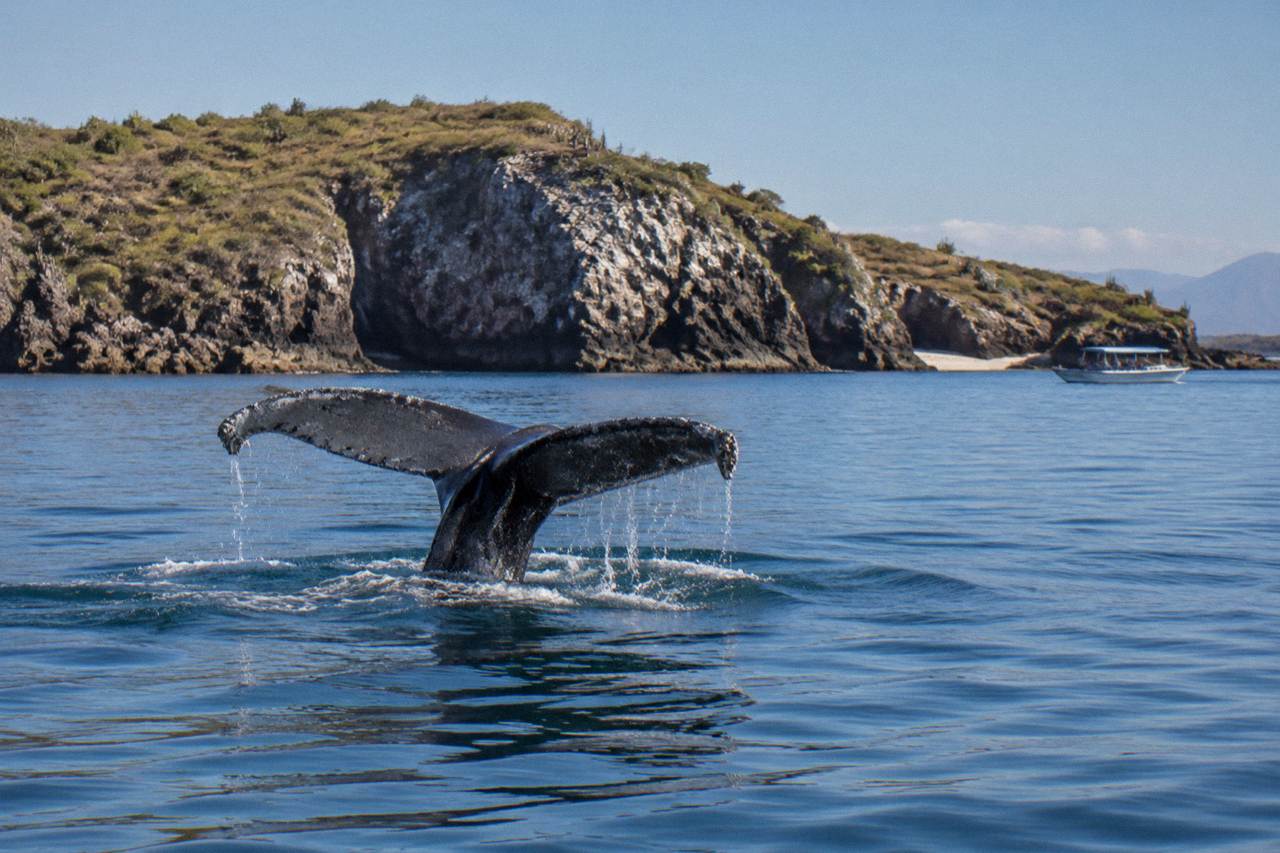
Humpback whales are the answer to almost every version of the question about Puerto Vallarta's whales, and they arrive on a schedule set by federal notice rather than by marketing calendars. About 500 individual humpbacks visit Banderas Bay each season according to ECOBAC, the local research group that tracks them, and they come here to breed and calve in warm water after feeding far to the north. Alongside them live resident dolphin species that most whale boats encounter regularly, which is why so many local tour titles name both animals. This page walks through what the verified record says, season by season, and connects it to the boats that go looking. If seeing them is the whole point of your trip, the worst month to visit Puerto Vallarta explains when the bay sits empty and why.
What Kind Of Whales Are In Puerto Vallarta?
The species every licensed whale boat in Banderas Bay is watching is the humpback whale. Humpbacks reach about 60 feet and about 40 tons according to NOAA, and the Mexico population that breeds along the Pacific coast is listed as Threatened under the US Endangered Species Act. Dolphins share the bay year round, and guides occasionally report other whale species without any verified count behind those sightings. If you're wondering how this bay stacks up against other whale watching spots in the country, our guide to the best places in Mexico to see whales compares the top options side by side.
Humpbacks are the bay's winter constant. The population that visits here is part of the Mexico distinct population segment, which NOAA describes as breeding along the Pacific coast of Mexico and feeding in waters from California to the Aleutian Islands off Alaska. That migration is the whole reason a whale season exists in Banderas Bay at all: the whales arrive from cold, food-rich northern water to mate, give birth and rest in a bay that reaches depths of 1,436 m in its trench off Quimixto and Yelapa, with roughly 100 km of coastline between Punta Mita and Cabo Corrientes.
The official record frames when you can go see them. The SEMARNAT notice published in the Diario Oficial on 10 October 2025 set the 2025-26 whale watching season for Banderas Bay at 8 December 2025 to 23 March 2026, and the same notice drew two restricted zones: a 1.5 km radius around the Islas Marietas and a 2 km wide coastal strip from Punta Mita to the Rio Ameca mouth, both closed to whale watching because mother and calf groups concentrate there. For the coming season, no federal notice has appeared yet, while operators advertise the same 8 December opening. Hotel and operator guides report first humpbacks typically entering the bay in late November, before the official window opens.
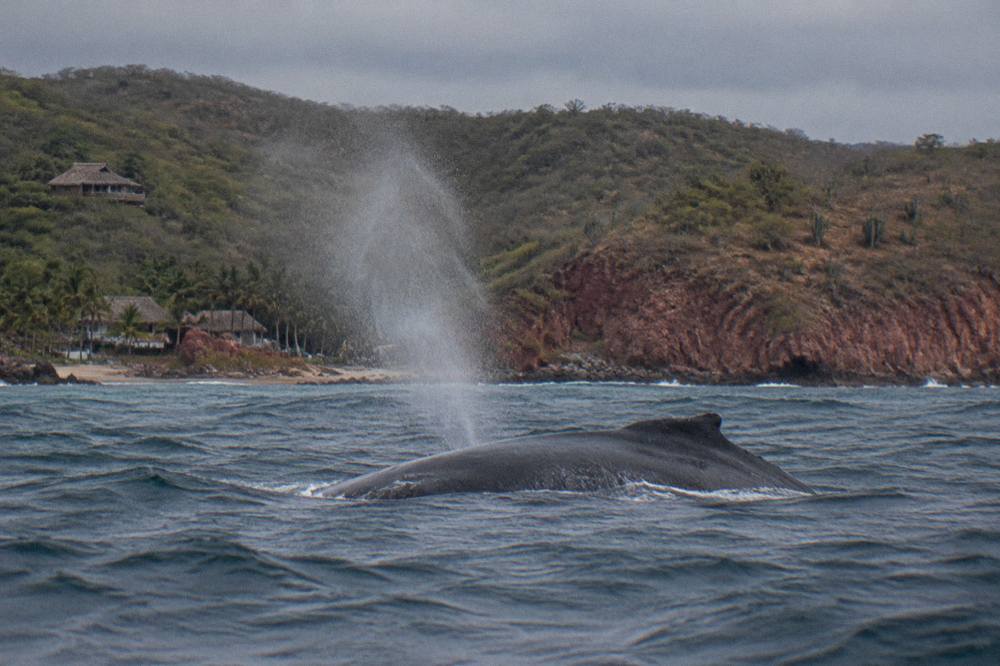
If the goal is identifying what you are watching rather than just pointing at it, the biologist-led whale and dolphin boat is built for exactly that question. It runs 4 hours from Opequimar Marine Center, from $105 per person, and carries a 4.9 rating from 702 reviews, the most reviewed listing on this site's roster. Inclusions cover a biologist guide, bottled water, soda, a baguette sandwich for lunch and granola-bar snacks. Two other formats cover the same waters with different styles: an all-inclusive whale and dolphin cruise from $78 per person with lunch, snacks, an open bar and a marine biologist aboard, and a 4.5 hour hydrophone trip from $62 per person that lets you listen to the whales underwater.
Why Banderas Bay Works So Well For Humpbacks
Banderas Bay is a large, deep, sheltered breeding ground: about 987 square kilometers of water with a maximum depth of 1,436 m and a warm winter sea temperature around 24 to 25 degrees Celsius. Newborn calves need calm, warm water, and the bay's shape provides it along roughly 100 km of coastline, which is why the whales return every winter rather than spreading along the open coast.
The biology drives the geography. Humpbacks give birth in tropical and subtropical water, and the bay's winter sea temperatures, 24.5 degrees in January and 23.9 in February and March per the verified monthly record, sit in the range calves need. The same record shows winter is also the dry stretch here: January averages 37 mm of rain over 2 rain days, and February and March just 12 and 4 mm over one rain day each, which is why the season feels so reliable from a boat deck.
The bay's scale matters too. A trench 1,436 m deep sits a short run from shore, and the whales do not have to travel far between rest areas and the shallower coastal shelf where they socialize. The restricted zones described earlier, around the Marietas Islands and along the Punta Mita to Rio Ameca strip, were drawn precisely because mothers and calves cluster there, so the boats that hold permits work the open water around those protected pockets.
That concentration is also why the federal rules matter to what you see, a topic covered in full in the guide to whale watching rules and distance in Mexico. The short version for this question: the rules exist because the whales are here with calves, and the number of boats around any one whale is capped.
The Dolphins That Share The Bay
Dolphins are the bay's year-round residents, and most whale tours encounter them in the same trip. Multiple listings on this site's roster are titled whale and dolphin watching, and their inclusions name dolphin watching explicitly alongside hydrophones and marine biologist commentary. Guides describe bottlenose dolphins as the commonly reported species, with no verified population count on file for any species.
Unlike the humpbacks, dolphins do not leave in March. That makes them the reliable half of any winter boat trip and the main event for anyone visiting outside the whale window. The roster reflects this split: the all-inclusive cruise from Vallarta by Boat lists both whale watching and dolphin watching among its inclusions alongside a hydrophone, a marine biologist, lunch and an open bar, while the dock tax is paid separately. It holds a 4.2 rating from 221 reviews. The Live and Traveler Tours hydrophone trip from $62 per person names both animals too, rated 4.5 from 24 reviews.
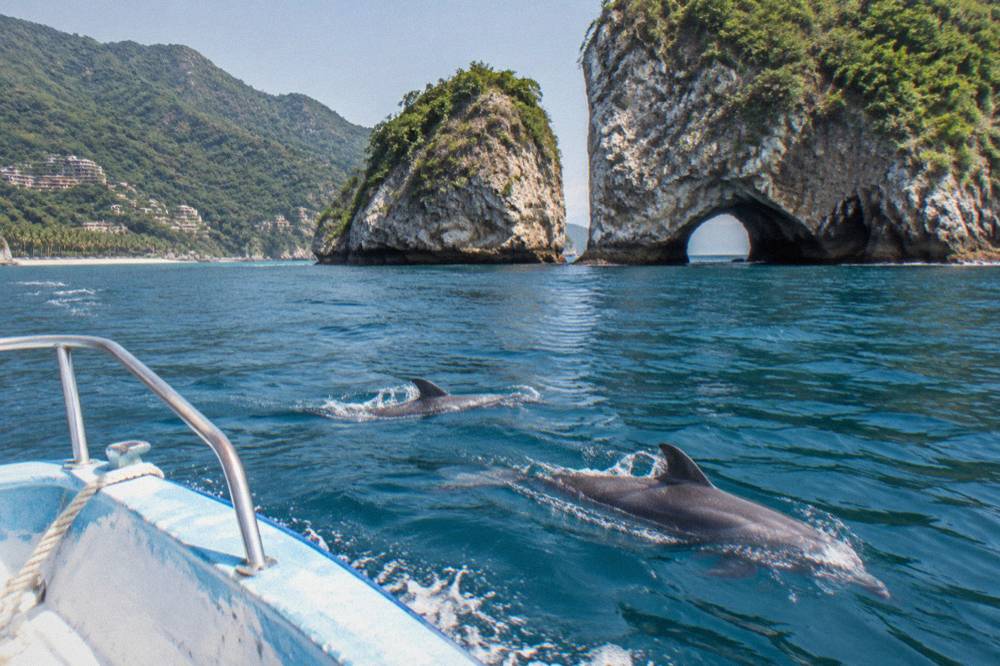
For a trip where dolphins are treated as half the itinerary rather than a bonus, the small-group Whale Encounter run by Eco Explorer Vallarta is a good fit: from $99 per person, rated 4.9 from 530 reviews, with snacks, a hydrophone and its conservation wrist bands listed. It runs 3 hours from Marina Vallarta.
One honest note on identification: the verified facts file supports humpback figures and dolphin presence, but it carries no species-by-species census of the bay. Any page quoting exact dolphin pod sizes or a precise count of whale species in Banderas Bay is reaching past the record. What can be said firmly is that humpbacks are the seasonal draw, dolphins are the resident constant, and a hydrophone makes both easier to find because you hear them before you see them.
Humpback Behavior You Can Watch From The Boat
Breaching, tail slapping, pectoral fin slapping and spy hopping are all humpback behaviors that Banderas Bay boats commonly report during the season. NOAA describes humpbacks as acrobatic surface-active whales, and the winter breeding season is when males compete and display, which is why surface activity is a regular part of a bay trip rather than a lucky exception.
Winter is the social season. The males that arrive in the bay sing, and several tours carry hydrophones specifically so passengers can listen: the Ecotours Vallarta marine biologist trip from $120 per person, rated 5.0 from 168 reviews, lists both a humpback lecture and a hydrophone system among its inclusions. Mother and calf pairs, the reason the restricted zones exist, spend the season in the calmer coastal water while groups of males pursue females in the open bay. The wider set of guides lives on Puerto Vallarta Whale Watching.
Federal rules shape how close any of this happens. Under NOM-131-SEMARNAT-2010, permitted boats approach to 60 m for small vessels and 80 m for larger ones, wait at 240 m, keep at most 30 minutes with the same whale or group, and travel below 5 knots inside observation areas. The behavior you watch is therefore wild behavior at a respectful distance, and the norm, as the behavior guide explains in depth, is patience: engines drop to idle, the whale decides the encounter.
| Fact | What the record says | Source type |
|---|---|---|
| Humpbacks per season | About 500 individuals visit the bay | ECOBAC, local research group |
| Adult size | Up to about 60 ft, about 40 tons | NOAA |
| Population status | Mexico DPS listed as Threatened | NOAA |
| Migration | Breeds on Mexico's Pacific coast, feeds from California to the Aleutians | NOAA |
| Peak months | Mid-January to mid-March, or January and February, named by operators and guides | Operator guides |
| Official season window | 8 December to 23 March last season | SEMARNAT notice, DOF |
Rarer Sightings And Keeping Perspective
Guides and biologists occasionally report other whale species in or near the bay, but no verified count or species list exists for those visitors, so no honest page can tell you which rarer whales you might meet or how often. What is verified is the humpback migration, the dolphin presence, and the federal season that governs when boats may look for either. Treat any rarer-sighting claim as a story, not a schedule.
This is where a lot of travel content oversells. The temptation is to list every whale that has ever passed the bay and imply each is a realistic sighting. The verified record here supports exactly two firm statements: humpbacks are the seasonal species, present in numbers around 500 per season, and dolphins are resident and encountered on most trips. Everything beyond that is anecdote, and the right response on a boat is excitement, not expectation.
There is also a category error worth heading off: whale sharks are not what these tours watch, and the prohibition on swimming with whales means no roster product puts you in the water with humpbacks under any circumstances. The snorkel combos on the roster, such as the Marietas whale and snorkeling trip from $85 per person, do their whale watching from the boat and their snorkeling at a reef or beach stop away from the whales, inside the park rules. The full picture of what is and is not allowed is in the guide to swimming with whales in Puerto Vallarta.
The season calendar is the other place expectations need a guard rail. Boats do not legally watch whales before the federal window opens, whatever early arrivals are reported in late November, and after the late-March close the whales and the permitted trips both wind down. The guide to humpback season dates in Banderas Bay covers the timing question in full. For a fuller picture of what sightings are actually like once the season opens, the guide to whale sightings around Puerto Vallarta explains what you can expect from shore and from a boat.
Which Boat Trips Match What You Want To Watch
Biologist-led small groups suit identification and learning, hydrophone trips suit listening to singers, and all-inclusive cruises suit a relaxed half day with food and drinks. Every whale trip on this site's roster is a paid tour, with firm shared-boat prices from $62 to $139 per person, and all of them watch the same humpbacks and dolphins under the same NOM-131 approach rules.
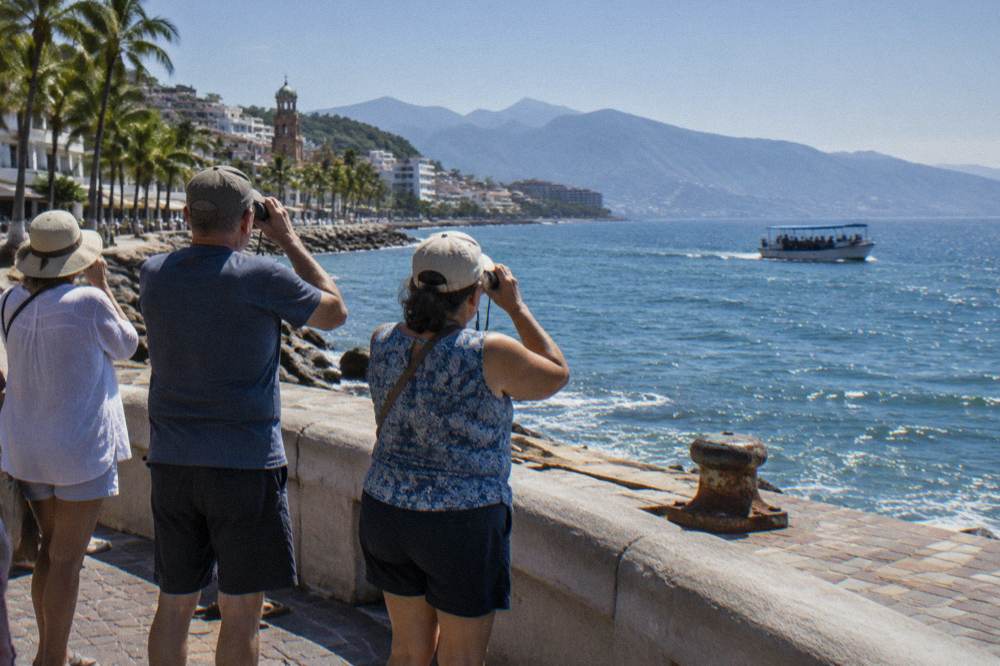
The differences between listings are format, not species. A 3 hour 30 minute small-group half day with lunch, from $110 per person and rated 5.0 from 353 reviews, gives you a marine biologist guide, lunch and soft drinks in a smaller crowd. The Mike's Fishing & Tours catamaran cruise, rated 4.8 from 413 reviews at from $99 per person, trades intimacy for a continental breakfast, buffet lunch and open bar over 4 hours. Which one fits depends on whether your priority is hearing the biologist explain what a fluke dive means or having a full meal while the bay does its thing.
Dolphin-forward travelers have options as well, as the section on residents above laid out, and Sayulita-based visitors can reach the same waters on the small-group trips that depart directly from Sayulita Beach or the OCEANO office. Departure point, duration and inclusions vary listing by listing; the comparison guide to whale watching tours in Banderas Bay lines them all up side by side.
| Tour format | Example listing | Price basis | Rating | What it lists for the wildlife |
|---|---|---|---|---|
| Biologist-led shared boat | Whale and Dolphin Watching with a Biologist | from $105 per person | 4.9 from 702 reviews | Biologist guide, lunch sandwich, snacks, soft drinks |
| Small-group half day | Small-Group Half-Day Whale-Watching Tour | from $110 per person | 5.0 from 353 reviews | Marine biologist guide, lunch, soft drinks |
| All-inclusive cruise | Whale & Dolphin Watching Cruise All Inclusive | from $78 per person | 4.2 from 221 reviews | Marine biologist, hydrophone, dolphin watching |
| Hydrophone trip | Whale & Dolphin Watching with Hydrophone | from $62 per person | 4.5 from 24 reviews | Hydrophone, marine biologist, dolphin watching |
| Catamaran cruise | Whale Watching Cruise, Puerto Vallarta and Nuevo Vallarta | from $99 per person | 4.8 from 413 reviews | Continental breakfast, buffet lunch, live commentary |
One pattern worth noticing across that table: the hydrophone appears on listing after listing, because listening to humpback song is one of the things Banderas Bay genuinely does well. Every listing shown carries free cancellation as stated on its live listing, so the decision risk on any of them is low.
How The Rules Decide What You Are Allowed To See
NOM-131-SEMARNAT-2010 sets the encounter rules for every boat in the bay: 60 or 80 m approach depending on vessel size, 240 m waiting distance, at most 4 boats per whale, at most 30 minutes with the same group, and a hard ban on swimming, diving, kayaks and jet skis near whales. Authorised boats fly a numbered federal flag, and PROFEPA inspects vessels through the season.
The reason this matters for a species question is simple: the rules were written around mother and calf pairs, and the behaviors you are most likely to watch at length, resting, nursing, slow traveling, are the calm ones the rules protect. Boats idle their engines when a whale is not moving, never position between a mother and calf, and rotate out after 30 minutes so no group is crowded all day. Enforcement is real rather than theoretical; one PROFEPA operation on the Nayarit side of the bay boarded and verified 17 vessels, and the agency states it runs inspections throughout the season.
The two restricted zones from the season notice serve the same purpose. The 1.5 km radius around the Islas Marietas and the 2 km coastal strip from Punta Mita to the Rio Ameca mouth are off limits to whale watching entirely, so the permitted boats work around them. That is also why a Marietas combo tour does its whale segment outside those zones, and why no licensed operator will chase a whale into the nursery strip, however tempting the sighting. More detail on the distances and the flag system sits in the site's homepage comparison and trip picker.
The other protected-species angle is the bay's place in a threatened population. NOAA lists the Mexico humpback population as Threatened, which is a step back from the brink but not a clean bill of health, and the roughly 500 whales ECOBAC counts here each winter are part of that recovering stock. Every rule on the water, from the 4-boat cap to the speed limits, exists to keep the breeding season low-stress for animals whose numbers are still climbing back.
Common Questions About Whales In Puerto Vallarta
What kind of whales are in Puerto Vallarta?
Humpback whales are the species the boats watch, with about 500 individuals visiting Banderas Bay per season according to ECOBAC. Dolphins share the bay year round, and guides occasionally report rarer whale visitors without any verified count. The official whale watching window last season ran 8 December to 23 March.
When can you see humpbacks in Banderas Bay?
The official 2025-26 season ran 8 December 2025 to 23 March 2026 under the SEMARNAT notice published 10 October 2025. Operators advertise the same 8 December opening for the coming season, but the federal notice for it has not appeared yet. Hotel and operator guides report first humpbacks typically entering the bay in late November, before boats may legally watch them.
Do you see dolphins on Puerto Vallarta whale tours?
Usually, yes, and many listings name dolphins in their titles and inclusions. Dolphins are resident in the bay year round, unlike the seasonal humpbacks, so trips outside the whale window still encounter them. No verified population count exists for the bay's dolphins, so treat pod sizes as reported, not guaranteed.
How big are the humpbacks in Banderas Bay?
Humpbacks reach about 60 feet and about 40 tons according to NOAA. The Mexico population that breeds along the Pacific coast, including the whales in this bay, feeds from California to the Aleutian Islands and is listed by NOAA as Threatened under the US Endangered Species Act.
Can you swim with the whales in Puerto Vallarta?
No. Swimming, diving and snorkeling with whales are prohibited under NOM-131-SEMARNAT-2010, along with kayaks, jet skis and fishing near whales. Snorkel combo tours on this site's roster snorkel at a reef or beach stop away from the whales, never in the water with them.
Are there other whale species besides humpbacks?
Guides occasionally report other whales in or near the bay, but no verified species list or count exists for those visitors. The firm record covers the humpback migration and the resident dolphins. Any page promising regular sightings of rarer species is going beyond what the sources support.