Where Is The Best Place In Mexico To See Whales?
Mexico's Pacific coast is the country's humpback breeding ground, and Banderas Bay combines a verified season, easy access and the deepest roster of licensed boats. Here is how the places compare.
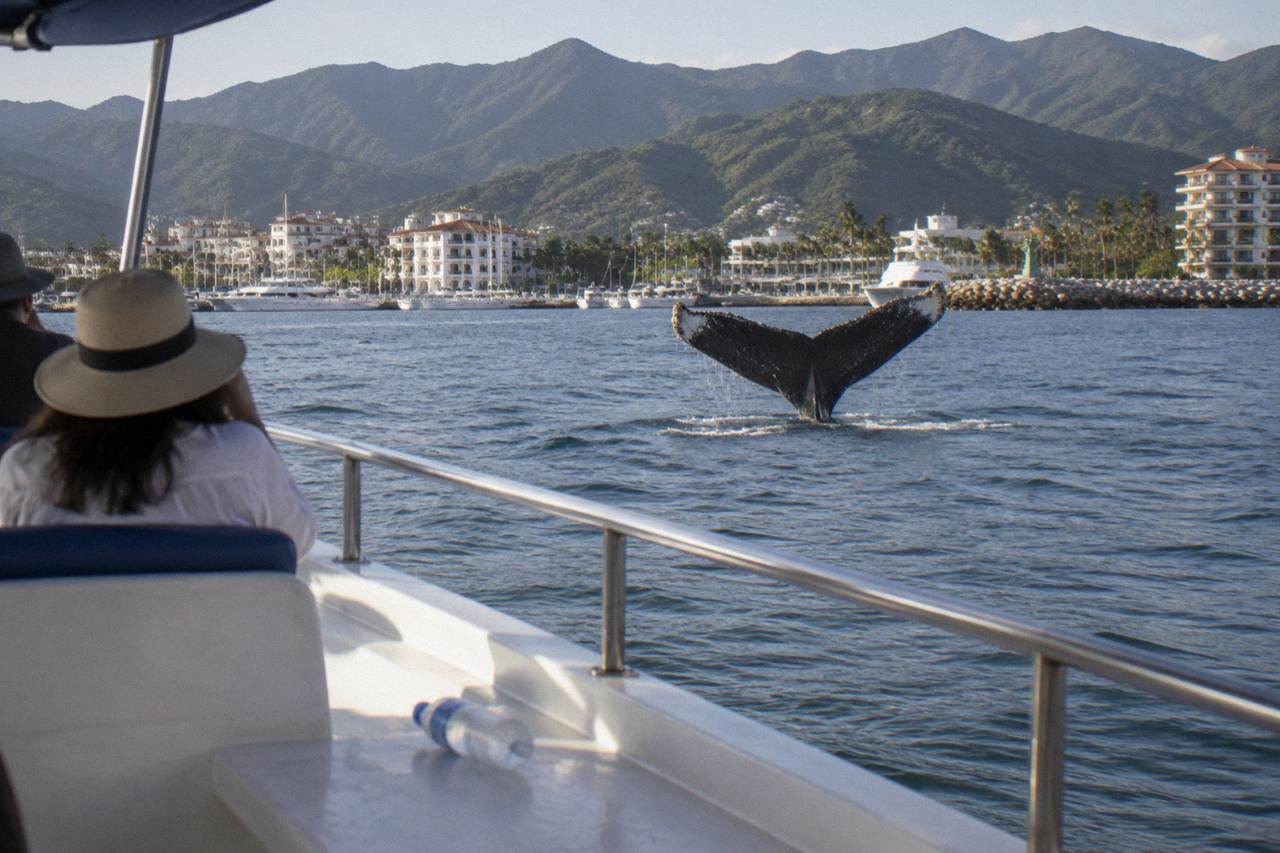
Mexico's humpback whales breed along the country's Pacific coast every winter, and the question of where to stand, or rather which boat to board, has a defensible answer. NOAA, the US authority that tracks the Mexico humpback population, describes animals that breed along the Pacific coast of Mexico and then feed from California to the Aleutian Islands. Within that vast coastline, Banderas Bay around Puerto Vallarta offers the best combination of a federally published season, about 100 km of sheltered water and the widest choice of licensed boats anywhere in the country. The biologist-led whale and dolphin boat from Opequimar Marine Center, from $105 per person, is the most reviewed listing we track at 702 reviews.
Where Is The Best Place In Mexico To See Whales?
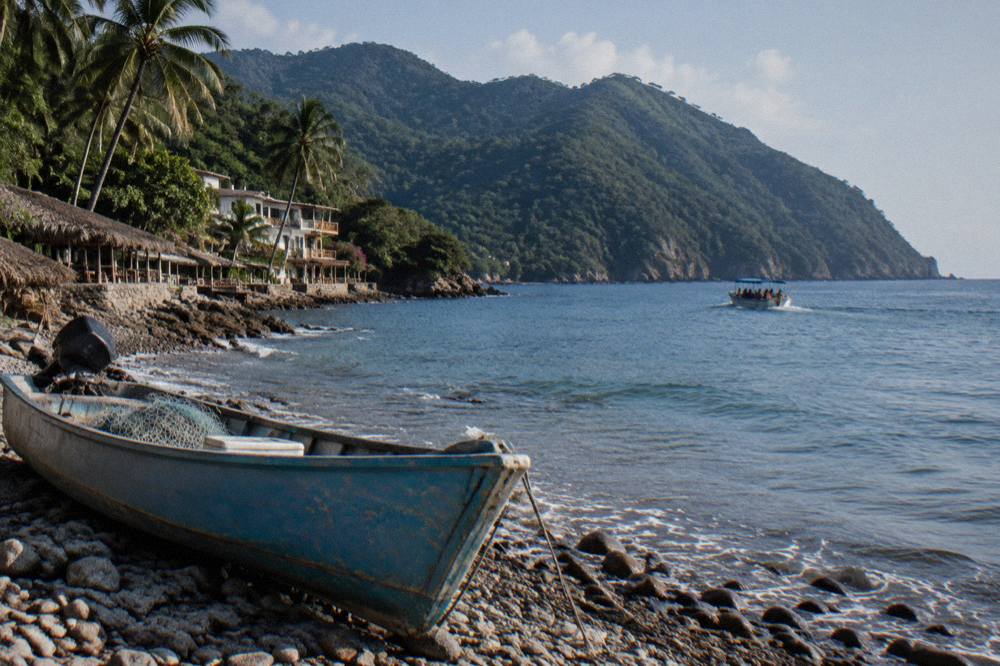
Banderas Bay, on Mexico's Pacific coast at Puerto Vallarta, is the strongest answer for most travelers. It combines an official federally published whale watching season, roughly 500 individual humpbacks per season in the bay by ECOBAC's local research count, about 100 km of sheltered coastline and more licensed tour options than any other Mexican bay we could verify.
The honest version of this answer is that Mexico's Pacific coast is one connected humpback nursery. The same population of whales, the Mexico distinct population segment that NOAA lists as Threatened under the US Endangered Species Act, spreads along the coast each winter. No bay holds a private stock of whales, and no operator anywhere can promise a sighting.
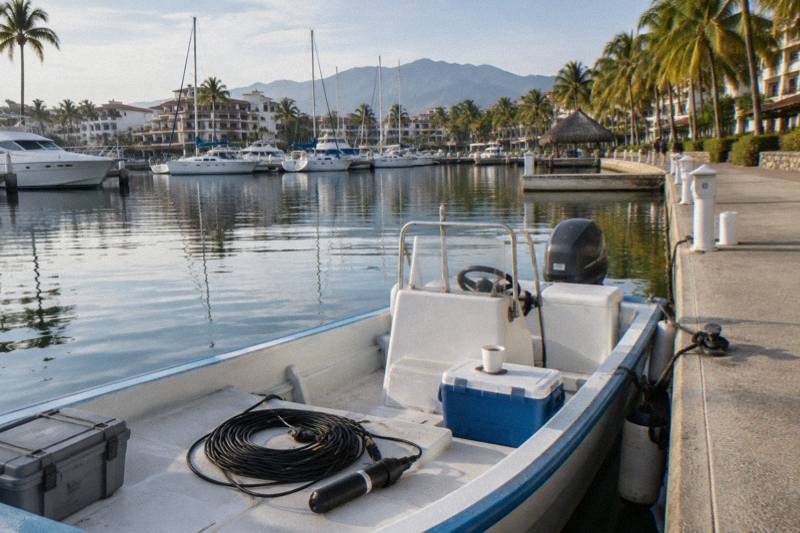
What separates the destinations is everything around the whales. Banderas Bay is a deep, sheltered body of water of about 987 square km, reaching a maximum depth of 1,436 m in the trench off Quimixto and Yelapa. Humpbacks can rest, calve and breed inside the bay rather than passing along an exposed outer coast, and the touring infrastructure reflects that: shared boats, small-group biologist trips, catamarans, private charters and luxury yachts all depart from marinas within an hour of an international airport.
Access matters more than people expect. The bay's departure points, Marina Vallarta, the Puerto Magico terminal, Opequimar Marine Center, Nuevo Vallarta marina, Los Peines pier and the marinas at La Cruz, put a whale boat within reach of almost every lodging zone in the bay. If you want the full season picture, our humpback season dates guide breaks down the official window month by month.
If you are already sold on the destination, these three listings show the range of ways to get on the water:
Why Banderas Bay Works So Well For Humpbacks
Three physical facts do the work: the bay is deep enough to hold a trench of 1,436 m, it is sheltered enough for mothers and calves to rest close to shore, and it is regulated year round by federal whale watching rules. The same geography that comforts the whales also makes the boat ride calmer for visitors.
A mother humpback with a newborn calf needs warm, protected water, and the bay delivers it. Sea temperatures in Puerto Vallarta sit at 24.5 C in January and 23.9 C in February, squarely in the range humpbacks use for breeding and calving. Whale cows and their calves concentrate in nearshore strips, which is exactly why the federal season notice bans whale watching in a 2 km wide coastal strip from Punta Mita to the Rio Ameca mouth, and in a 1.5 km radius around the Islas Marietas. Boats work around those zones, and the whales inside them are largely undisturbed.
The regulation story also favors the bay. NOM-131-SEMARNAT-2010, Mexico's national whale watching standard, caps boats at 60 m for small vessels and 80 m for larger ones, allows at most four boats around any whale or group and limits each encounter to 30 minutes. PROFEPA, the federal environmental prosecutor, runs inspection operations during the season and boarded 17 vessels in one Nayarit operation alone. Authorized boats fly a numbered flag with the federal seal, so a licensed trip in Banderas Bay is a regulated trip, not a free-for-all.
So which boat? The shared lunch and open bar trip with Vallarta Adventures, from $89 per person and rated 4.6 from 64 reviews, is the easy middle choice: a three-hour run from the Puerto Magico terminal with lunch and an open bar included. Read more about it on the tour page, or compare it against the small-group and private options in our private versus shared comparison.
What NOAA's Population Science Actually Says
NOAA describes a single Mexico humpback population that breeds along the Pacific coast of Mexico and feeds from California to the Aleutian Islands, and lists it as Threatened. That means the whales in Banderas Bay, and everywhere else on this coast, are one shared population, so no destination gets different whales, only different rules, access and boat quality.
Humpbacks reach about 60 ft and about 40 tons, according to NOAA's species page. They migrate thousands of miles each year between feeding and breeding grounds, and the animals that winter off Mexico's Pacific shores summer in the cold, food-rich water off the US West Coast and Alaska.
For a traveler comparing destinations, the population science matters for one reason: it removes the fantasy of a secret bay with more whales. What you are actually choosing between is season length, water shelter, regulation quality and the number of licensed operators. Banderas Bay scores well on all four, and it is the one destination where we can print a local research figure at all: ECOBAC, the bay's own whale research organization, puts the bay's seasonal visitors at about 500 individuals.
How The Season Shapes Where You Can Go
Mexico's whale watching seasons are set by federal notices, not by marketing calendars, and Banderas Bay has the clearest published record: 8 December 2025 to 23 March 2026, with peak viewing named by operators and guides as mid-January to mid-March. No other Mexican destination we surveyed publishes dates this specific for its bay.
The season notice is worth reading in the original: the SEMARNAT aviso in the Diario Oficial sets the dates and the two restricted zones in a single document. That matters practically. If a whale trip is the centerpiece of your trip, you want a destination where the legal season, the operator season and the whales' presence overlap tightly, and where a regulator polices the gap.
Hotel and operator guides report the first humpbacks typically entering the bay in late November, before the legal season opens, and commercial trips do not run on them. By January and February the bay is at its busiest with whales and boats alike, which is why operators and guides name those two months as peak. If you are weighing months rather than places, our best month guide for Banderas Bay compares them in detail.
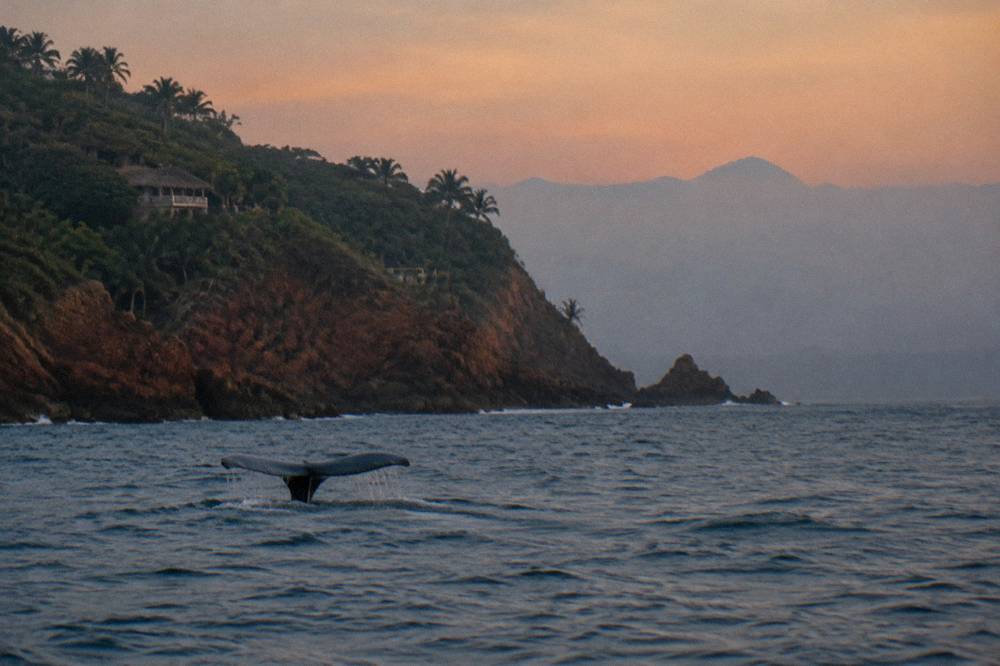
The season table below shows how the verified conditions stack up across the viewing window:
| Month | Officially in whale season | Sea temperature | Rain days | Notes |
|---|---|---|---|---|
| November | Last season ran 8 Dec to 23 Mar; 2026-27 dates pending | 27.7 C | 2 | First arrivals reported by hotel and operator guides, late in the month |
| December | Yes, from 8 December | 25.2 C | 2 | Opening weeks, building numbers |
| January | Yes | 24.5 C | 2 | Named peak by operators and guides |
| February | Yes | 23.9 C | 2 | Named peak by operators and guides |
| March | Yes, to 23 March | 23.9 C | 1 | Late season, mothers with calves commonly reported |
One departure-style option worth flagging mid-season: the Whale Encounter trip run by Eco Explorer Vallarta from Marina Vallarta, from $99 per person and rated 4.9 from 530 reviews, includes a hydrophone so the boat can pause and let you hear the whales singing, with engine at idle as the rules require. Everything else covered here is indexed on Puerto Vallarta Whale Watching.
Boat Access And Departure Points
Banderas Bay's practical edge is density of departure points: Marina Vallarta, Puerto Magico, Opequimar, Nuevo Vallarta marina, Los Peines pier, La Cruz marina and Sayulita beach all host licensed whale trips. Wherever you stay in the bay, a boat is close, and airport transfer sites put the airport to Marina Vallarta at 15 to 22 minutes.
Compare that with the general pattern along Mexico's Pacific coast, where whale trips often mean a long drive to one harbor followed by an open-ocean run. Inside Banderas Bay the water is sheltered, the runs to whale areas are short, and the choice of boat styles is genuinely wide. The Puerto Vallarta Whale Watching homepage comparison lays the three basic questions, boat type, budget and departure point, side by side if you want the short version.
The style spread is the real argument for the bay as a destination. A shared catamaran cruise with Mike's Fishing and Tours, from $99 per person and rated 4.8 from 413 reviews, serves a continental breakfast, buffet lunch and open bar on a four-hour run. A small-group photo safari with Vallarta Adventures, from $79 per person and rated 4.7 from 190 reviews, carries hydrophones and a light snack instead. A private charter with Vallarta Natours, from $760 per group for up to 8 people and rated a perfect 5.0 from 113 reviews, includes lunch and a professional guide. Very few stretches of Mexican coastline offer all three on the same morning.
Travelers staying north of the bay are covered too. Sayulita has its own departures, including a biologist-led three-hour trip from the beach run by La Orca de Sayulita, from $90 per person, and a small-group Banderas Bay boat tour run by Sebastian Briones, rated 4.9 from 56 reviews, with its price on the listing.
What A Banderas Bay Trip Costs
Pure whale watching on the bay starts from $62 per person on a shared four-and-a-half-hour boat with drinks, and small-group biologist trips run from $99 to $120 per person. Private charters start from $266 per group for a basic three-hour run and reach $2,088 per group for a luxury yacht for up to 12, all figures from the verified listings we track.
The price ladder is broad enough that budget rarely disqualifies anyone. At the entry end, a whale and dolphin watching trip with hydrophone run by Live and Traveler Tours from the Puerto Magico port, from $62 per person and rated 4.5 from 24 reviews, includes drinks and a morning lunch. In the middle sit the biologist-led trips, like the small-group half-day tour from Marina Vallarta, from $110 per person, rated 5.0 from 353 reviews, with lunch and soft drinks included. Within the yacht tier, Chica Locca Tours runs an all-inclusive adventure from La Cruz marina, from $319 per group for up to 15 people, with a premium open bar, continental breakfast and snacks.
The roster endpoints below show the full spread of what a whale trip costs here:
| Tier | Listing example | Price | Rating |
|---|---|---|---|
| Budget shared | Whale and dolphin watching with hydrophone, Live and Traveler Tours | from $62 per person | 4.5 from 24 reviews |
| Mid shared | Catamaran cruise with breakfast and buffet, Mike's Fishing and Tours | from $99 per person | 4.8 from 413 reviews |
| Small-group biologist | Whale and dolphin watching with a biologist, Opequimar departure | from $105 per person | 4.9 from 702 reviews |
| Shared with lunch and bar | Whale watching with lunch and open bar, Vallarta Adventures | from $89 per person | 4.6 from 64 reviews |
| Budget private | Private 3-hour whale watching tour, Travel Vallarta | from $266 per group | no rating yet |
| Classic private | Private whale watching tour, Vallarta Natours, up to 8 | from $760 per group | 5.0 from 113 reviews |
| Luxury yacht | Private whale watching aboard luxury yacht, up to 12 | from $2,088 per group | no rating yet |
Free cancellation is listed on nearly every one of these trips, which matters if you are booking months ahead around the season opening. Two small fees sit outside the ticket price where they apply: the 39 MXN port tax stated on two listings, and, on Marietas combo trips, the park entry fee of 125 MXN per person per day set by CONANP.
For a taste of the yacht tier without the yacht bill, the mega yacht sunset and whale watching all-inclusive trip with Chica Locca Tours, from $110 per person and rated 4.8 from 517 reviews, is the bay's most popular large-vessel format by review count in its class.
Common Questions About Whale Watching In Mexico
Where is the best place in Mexico to see whales?
Banderas Bay at Puerto Vallarta. It has a federally published season, about 500 humpbacks per season by ECOBAC's local count, sheltered water along about 100 km of coastline and the widest range of licensed boats, from $62 shared trips to $2,088 per group luxury yachts.
When is whale watching season in Banderas Bay?
The official window ran 8 December 2025 to 23 March 2026 under the SEMARNAT notice in the federal gazette. Operators advertise an 8 December opening for the coming season, and the new federal notice has not appeared yet, so treat the coming season's dates as operator-stated until it does.
Can you swim with whales in Mexico?
No. NOM-131-SEMARNAT-2010 prohibits swimming, diving and snorkeling with whales everywhere in Mexico. Snorkel combo trips in Banderas Bay snorkel at a reef or beach stop away from the whales, never in the water with them.
How close do boats get to the whales?
Authorized boats approach to 60 m for small vessels and 80 m for medium and large boats, wait at 240 m before entering, and no more than four boats may be around one whale or group at a time, for at most 30 minutes. Unlicensed boats must stay 240 m away.
Are whale sightings guaranteed?
No operator or regulator guarantees a sighting, and humpbacks are wild animals in variable conditions. Every listing on this site describes viewing as possible and commonly reported during the season, and no page we track promises otherwise.