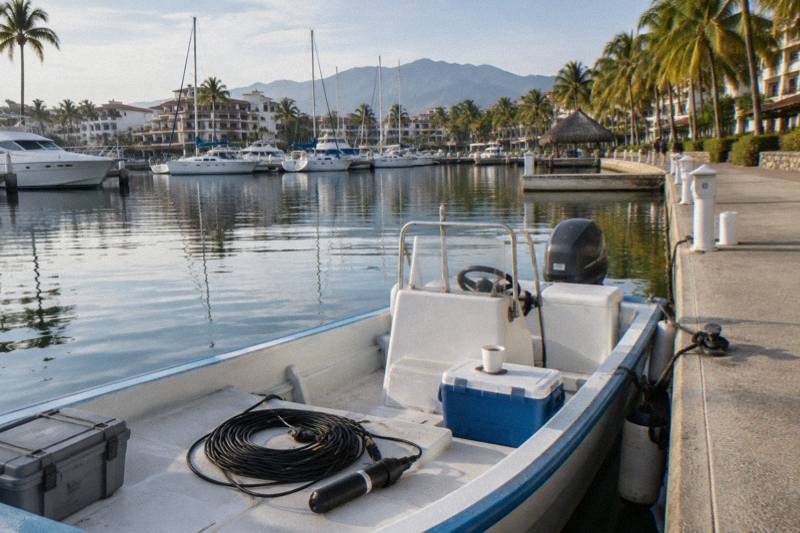
Is Whale Watching In Puerto Vallarta Worth It?
An honest verdict on whether a whale watching tour in Puerto Vallarta is worth the money, covering real prices, what the season rules allow, and what tends to disappoint.
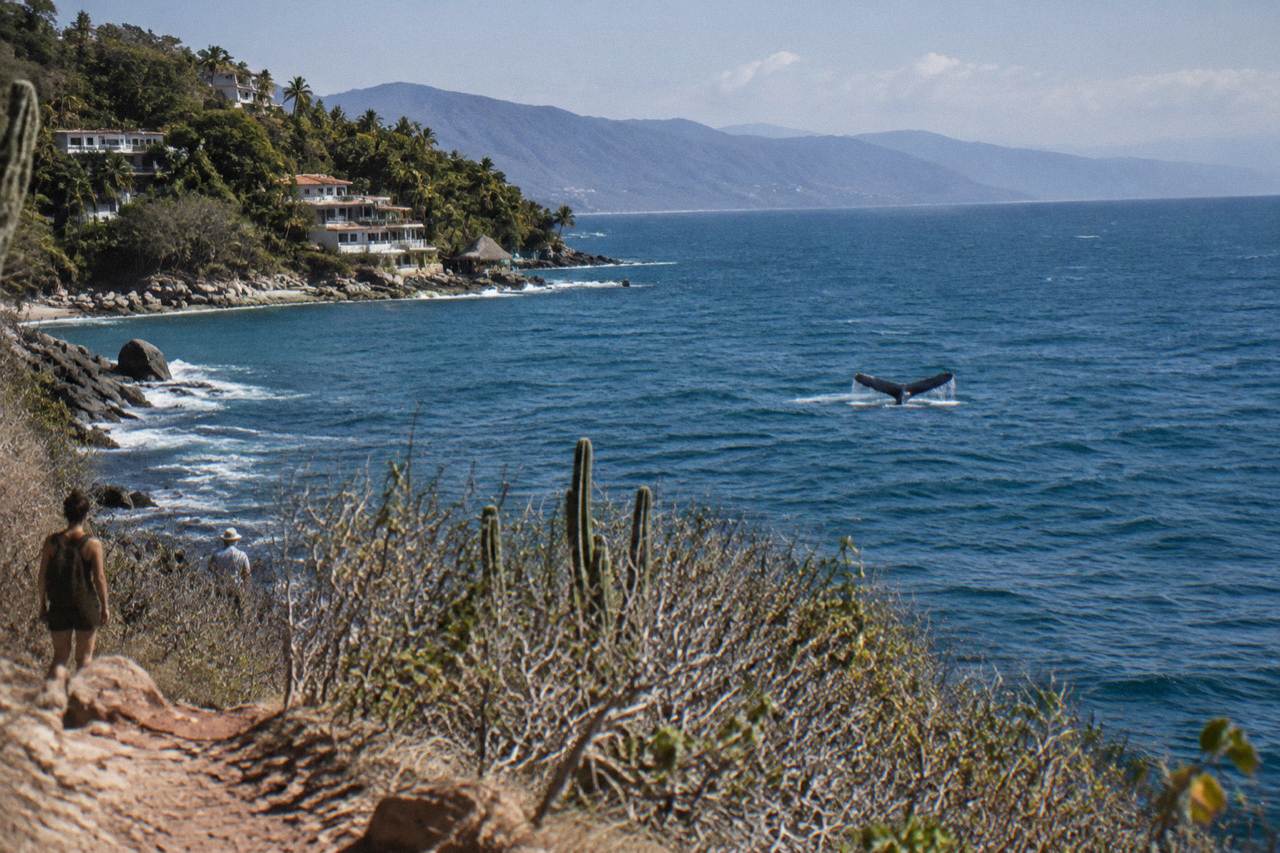
Is Whale Watching In Puerto Vallarta Worth It? That is the question every undecided visitor asks, and the honest answer is that for most people it is, provided you book the right boat in the right window and arrive with realistic expectations. This page gives the verdict up front, then walks through the actual costs, the real odds, and the specific things that disappoint people, using verified listing prices and the official federal season record rather than marketing copy. If you want the numbers behind that verdict spelled out honestly, the guide to your real odds of spotting a whale in Banderas Bay explains how season dates, regulations, and tour type actually shape your chances.
For most visitors, yes, a whale tour in Puerto Vallarta is worth the money, if three conditions hold: you travel inside the official season, you pick a boat style that matches your budget and crowd tolerance, and you accept that no operator can promise a sighting. Verified shared tours run from $42 to $139 per person, the strongest-reviewed small-group boats sit between $99 and $120, and the season, set by federal notice, is genuinely productive. What disappoints people is rarely the whales, it is the wrong boat, the wrong month, or an expectation no legal tour can meet. The same federal rules that shape whale tours feed into a bigger safety picture, and our Puerto Vallarta safety guide for visitors walks through authorized boats, life vest requirements, and why your own government's advisory is the source to check.
Banderas Bay is one of the most accessible humpback destinations anywhere. The Mexico humpback population breeds along the Pacific coast of Mexico and feeds from California to the Aleutian Islands, and each winter the bay receives its share; the local research group ECOBAC puts the figure at about 500 individual humpbacks visiting the bay per season. NOAA, the US fisheries authority, lists the Mexico population as Threatened, which is part of why every licensed boat here operates under strict federal rules. Those rules shape your trip more than most visitors expect, and they are worth understanding before you judge whether the price is fair.
The decision usually comes down to three tour styles, and this trio covers the range most people actually choose between:
The Whale Encounter with Eco Explorer Vallarta is the most reviewed small-group shared boat on this roster at 530 reviews, rated 4.9, from $99 per person for a 3-hour trip from Marina Vallarta. The biologist-led whale and dolphin trip is the single most reviewed listing of all 26, at 4.9 from 702 reviews, from $105 for 4 hours departing Opequimar Marine Center. And the small-group half-day with lunch, rated a perfect 5.0 from 353 reviews, runs from $110 with a marine biologist guide, lunch and soft drinks included. Any of the three is a defensible yes. The rest of this article is about whether one of them is a yes for you.
What Does A Whale Tour Actually Cost In Puerto Vallarta?
Verified prices across the 26 bookable listings span from $42 per person for a 3.5-hour shared whale and snorkel combo rated 3.9 from 65 reviews up to $2,088 per group for a private luxury yacht for up to 12. The practical shared-boat range is $62 to $139, and the well-reviewed small-group tours cluster tightly at $99 to $120. That is a narrower and more predictable market than most people assume before they look. You are not gambling on price, you are choosing a tier.
| Tier | Verified listings | Price | What the price buys |
|---|---|---|---|
| Budget shared | Hydrophone tour, 4.5 from 24 reviews; snorkel combo, 3.9 from 65 reviews | from $62 and from $42 per person | Shared boat, drinks, a guide; the $42 trip adds a reef or beach snorkel stop away from the whales |
| Mid small-group | Whale Encounter, 4.9 from 530; biologist trips at 4.9 from 702 and 5.0 from 168 | from $99 to $120 per person | Small-group boat, biologist or naturalist guide, hydrophone, snacks |
| All-inclusive shared | Catamaran with breakfast and buffet, 4.8 from 413; all-inclusive cruise, 4.2 from 221 | from $99 and from $78 per person | Food, open bar, dock tax included on some lines |
| Private and yacht | Private charter for up to 8, 5.0 from 113; yacht for up to 12; group tour for up to 15 | from $760, from $2,088 and from $319 per group | Your own boat, flexible pace, and in one case breakfast, snacks and a premium open bar |
Notice what the middle tier does. For roughly the price of a nice dinner you get a smaller boat, a guide with actual training, and a hydrophone, the underwater microphone that lets the boat go quiet and listen to the whales singing below. Guests on these trips consistently describe the hydrophone moment as the part they did not expect to care about and remembered longest. One small-group biologist tour even includes a short lecture about humpback whales and travel insurance in the listed price, which tells you something about how seriously these operators take the product.
The cheapest firm-priced pure whale boat on the roster is from $62 per person, a 4.5-hour shared hydrophone trip rated 4.5 from 24 reviews. The cheapest listing of all is from $42, but read the fine print in your own head first: it is rated 3.9 from 65 reviews, the lowest rating on the roster, and it splits its 3.5 hours between whale watching and a snorkel stop. Cheapest is not the same as best value, and on this roster the data says the value sweet spot is the $99 to $120 band. If you want to go deeper on the numbers, the whale tour cost breakdown for Puerto Vallarta unpacks every tier.
If you are already leaning yes, the question is only which boat.
How Likely Are You To Actually See A Whale?
No honest source can give you a sighting percentage, and this site will not invent one, but the structural facts are strongly in your favor: the official season exists precisely because humpbacks reliably use the bay every winter, about 500 individuals visit per season by ECOBAC's count, and operators run multiple trips a day for nearly four months. What you should do is book inside the window and time the peak.**
The official record matters here. The SEMARNAT notice published in the federal gazette on 10 October 2025 set the 2025-26 whale watching season for Banderas Bay at 8 December 2025 to 23 March 2026, and no federal notice for the 2026-27 season has appeared yet; operators advertise the same 8 December opening for the new season. Before 8 December and after the closing date, licensed commercial whale watching simply does not run, so a visit outside the window is a guaranteed no regardless of luck. Hotel and operator guides report the first humpbacks typically enter the bay in late November, but no legal tour can take you to them until the season opens.
Inside the season, operators and guides name mid-January to mid-March, with January and February called out specifically, as the peak for density and for mothers with calves. Every listing on this site carries free cancellation, so the rational play is to book early in your trip, and if the first day is flat, use a later booking to try again. Weather cooperates too: January rain averages 37 mm over just 2 rain days, February 12 mm over 1, and March 4 mm over 1, on the published climate normals. For timing strategy, see the best month for whale watching in Banderas Bay.
One thing you may legitimately expect but should temper: the law caps how close any boat gets. Under NOM-131-SEMARNAT-2010, small boats approach no nearer than 60 m, medium and large boats 80 m, and all boats wait at 240 m. At most 4 boats may surround one whale or group, and each boat gets at most 30 minutes with the same animals. You will watch whales at a respectful distance, not beside them, and that is the point of the whole system.
What Disappoints People On A Whale Tour?
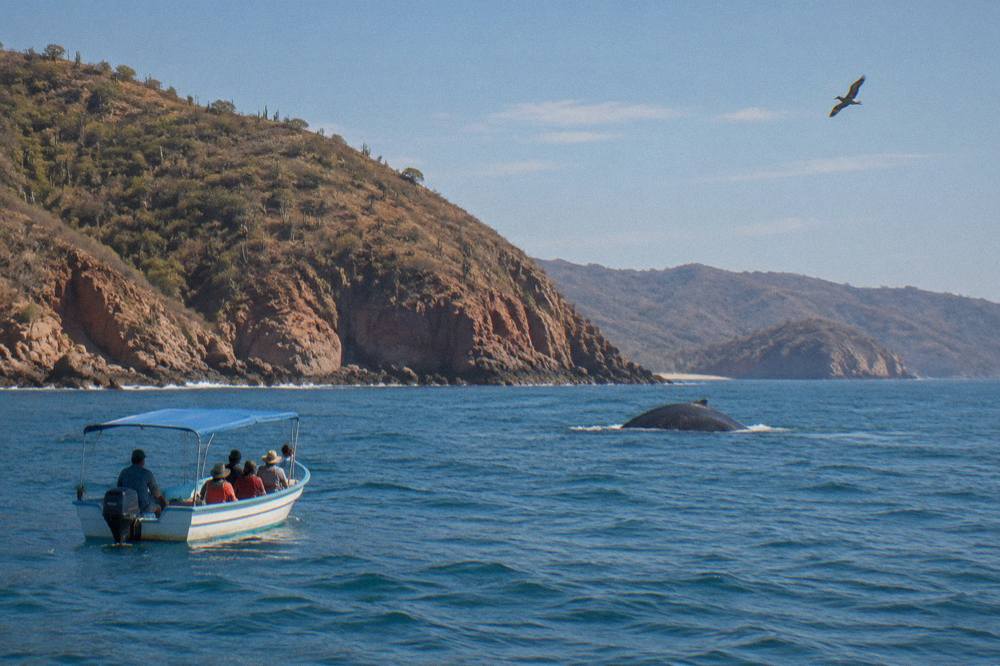
The three complaints that show up repeatedly are crowding on big shared boats, rough seas on small fast boats, and the mismatch between expectations set by highlight videos and the reality of watching animals at 60 to 80 m under federal rules. None of these is a reason to skip the experience, but each one points to a specific buying decision you can make correctly in advance.**
Crowding is a tier problem. A shared catamaran carrying dozens of guests, including the all-inclusive cruise rated 4.2 from 221 reviews at from $78, is a party-boat experience with whales as the headline act; if you wanted quiet and a biologist answering questions, that boat will disappoint you, and no listing on it is bad, it is just a different product. The fix costs about $20 to $40 more per person. The small-group half-day rated 5.0 from 353 reviews at from $110, or the biologist-led adventure at from $120, are the listings built for people whose priority is the animals rather than the bar.
Seasickness is real and addressable. Small boats move more than catamarans, and the bay is open water, not a lake. The separate question of whether you will get seasick whale watching has its own full answer, but the short version: take motion sickness medication an hour before boarding, and if you are prone, choose a catamaran or the mega yacht option rather than a speedboat-style small boat.
The expectations gap is the one money cannot fix. Watching a humpback breach is spectacular and does happen, but you cannot book a breach. What you can book is three to four hours on the water with a trained guide, a hydrophone, and the real chance of surface activity, fluke dives, and a mother and calf at a legal distance. Guests who arrive with that framing overwhelmingly report the trip was worth it. Guests who expected a documentary close-up are the ones writing the disappointed reviews. The behavior guide to humpback whales in Banderas Bay explains what each surface behavior actually means, which turns even distant sightings into something you can read.
Which Boat Type Gives The Best Value For The Money?
For a first-time visitor deciding yes or no, the best value is a small-group biologist-led boat at $99 to $120 per person: the review counts and ratings on those listings are the strongest on the roster, and the format directly answers the two biggest disappointment drivers, crowding and not understanding what you are watching. The alternatives are better than they look on paper only for specific travelers.**
| If you are this traveler | Best fit on the verified roster | Why it wins for you |
|---|---|---|
| First timer, want the best odds of a great guide | Biologist-led whale and dolphin trip, 4.9 from 702 reviews, from $105 | Most reviewed listing on the site, biologist guide, sandwich lunch and snacks included |
| Traveler who gets seasick or wants comfort | Catamaran cruise with breakfast and buffet, 4.8 from 413 reviews, from $99 | Stable platform, food and open bar included, live commentary |
| Family or group of 6 to 8 | Private charter for up to 8, 5.0 from 113 reviews, from $760 per group | Your own pace, hotel pickup, lunch and soft beverages listed |
| Strict budget, flexible standards | Whale and snorkel combo, 3.9 from 65 reviews, from $42 | Cheapest verified listing, splits time between whales and a snorkel stop |
| Want whales plus something else | Marietas combo, 4.9 from 56 reviews, from $85 | 5 hours, snorkel gear, lunch and pickup listed |
The value logic is simple. Price differences between the good shared boats are small, tens of dollars, while the experience differences are large. The jump to private, from $266 per group on the smallest option up to $2,088 for the yacht, is a different decision entirely: you are buying exclusivity and time, not better whales, because every boat obeys the same approach distances. The genuine luxury value on the roster is arguably the group yacht adventure from Chica Locca Tours, from $319 per group for up to 15 people, with a premium open bar, continental breakfast and snacks such as guacamole and chips included, rated 4.9 from 67 reviews. Split six ways it undercuts many shared boats per person.
When Is A Whale Tour Not Worth It?
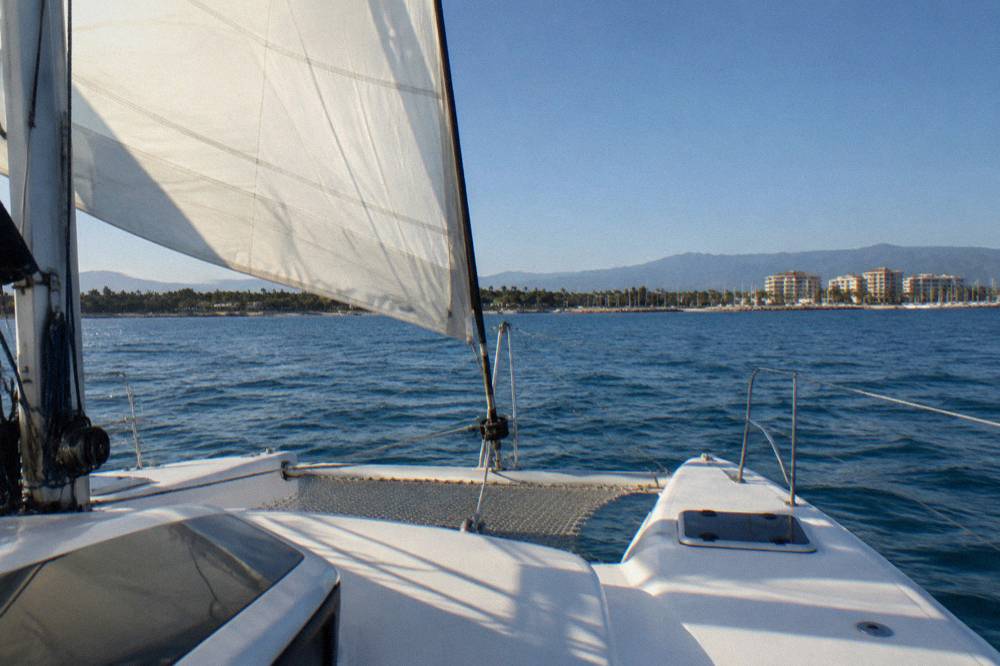
A whale tour is probably not worth it for you if you are visiting outside 8 December to late March, if being on open water for 3 to 5 hours sounds like punishment rather than pleasure, or if your budget only stretches to a boat you already know you will dislike. Each of these has a partial workaround, but honesty is cheaper than a refund request.**
Timing first. The official window ran 8 December to 23 March last season, operators advertise the same 8 December opening this year, and the federal notice for the new season has not appeared yet. If your trip is in November or April, no licensed whale boat is running, and no operator can change that. Late-season trips in March catch the tail of the season with fewer crowds; the tradeoff is fewer animals, though operators still run daily through the closing date.
Sensitivity to the sea second. If you know you hate boats, spend the money on something else; the free things to do in Puerto Vallarta on a budget includes shoreline spots where you can sometimes spot whale blows from land at no cost at all, which is a real consolation option and genuinely free. Budget third. If $99 is a stretch, the from $62 hydrophone trip and the from $42 combo are legal, real, verified listings with drinks included, and they beat skipping the experience entirely. Just calibrate: their ratings and review counts are printed plainly above, and smaller numbers mean rougher edges.
The last not-worth-it case is people who want to swim with whales. That is prohibited outright under NOM-131 numeral 4.19, full stop, on every boat in Mexico. Snorkel combos snorkel at a reef or beach stop away from the whales, never with them, as the swim-with-whales question explains in detail. If that was the fantasy, the honest answer is no tour here will deliver it.
For the comfort-first crowd who still want a yes, the catamaran cruise with Mike's Fishing & Tours, rated 4.8 from 413 reviews at from $99 per person with continental breakfast, buffet lunch and open bar listed, is the listing that most reliably converts skeptics: the boat is stable, the food is included, and the live commentary keeps the downtime engaging.
And for the tightest budgets, the 3-hour whale watching and snorkeling trip from Travel Vallarta at from $42 per person is the cheapest verified yes on the site, rated 3.9 from 65 reviews, port tax of 39 MXN stated on the listing, snorkel gear included for the beach stop.
The Verdict And The Latest Season Data
The verdict stands: inside the season, on a boat matched to your budget and stomach, a Puerto Vallarta whale tour is worth the money for the large majority of travelers, and the verified review record, thousands of guests across the strongest listings, backs that up. The only people this site would steer away are the off-season visitor, the boat-averse, and the swimmer-with-whales dreamer, and each of those has an honest alternative already covered above.**
Banderas Bay itself does quiet work in the background. The bay covers 987 km2 with about 100 km of coastline between Punta Mita and Cabo Corrientes, and reaches a maximum depth of 1,436 m in the trench off Quimixto and Yelapa. That deep, warm, protected water close to shore is the reason the whales come back every year, and the reason a 3-hour tour from Marina Vallarta can reach real whale habitat at all. You are not taking a long offshore run; you are stepping onto a boat in a working marina and being in humpback country within the hour.
That is ultimately the case for yes. Few whale destinations in the world combine a federal protected season, a dense seasonal population, short boat rides, and a competitive $42 to $139 shared-boat market. The experience is regulated, the prices are verified, the reviews are deep, and the operator ecosystem is mature. Decide yes with open eyes, book inside the window, and pick the tier that fits you rather than the tier that fits a brochure.
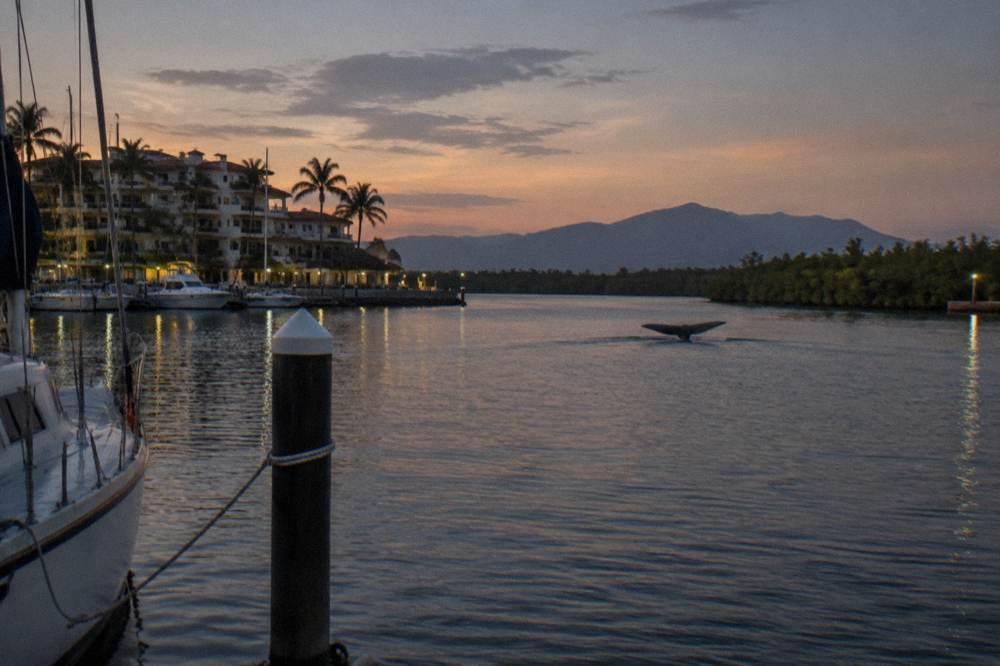
Whatever you choose, the full field of 26 verified listings is laid out in the Banderas Bay whale tour comparison, and Puerto Vallarta Whale Watching keeps the season record and pricing updated as the new federal notice lands.
Common Questions About Whale Watching Value In Puerto Vallarta
Is whale watching in Puerto Vallarta worth it?
For most visitors, yes. Verified shared tours run from $42 to $139 per person, the strongest listings carry ratings above 4.8 with hundreds of reviews each, and the federally set season reliably delivers humpbacks to the bay. It is worth it when you travel between early December and late March, choose a boat tier that fits your budget and comfort, and accept that sightings are probable but never guaranteed.
Is whale watching worth the money?
The verified market says yes at the $99 to $120 small-group tier, where biologist guides, hydrophones and the best review records sit. Below that, from $42 to $78, you trade guide depth and crowd levels for price. Above it, private charters from $266 to $2,088 per group buy exclusivity, not better whales, since federal approach rules apply to every boat equally.
What is the cheapest whale watching tour in Puerto Vallarta?
The cheapest firm-priced verified listing is a 3-hour whale watching and snorkeling combo from $42 per person, rated 3.9 from 65 reviews. The cheapest pure whale boat is from $62 per person for a 4.5-hour shared hydrophone trip rated 4.5 from 24 reviews.
Can you guarantee seeing whales in Puerto Vallarta?
No, and no legal operator will. Federal rules cap approach distances, boats per whale and time with each animal, and humpbacks are wild. Booking inside the official season, which ran 8 December to 23 March last year, and targeting the January to February peak named by operators maximizes your chances.
Is a private whale tour better than a shared one?
Private charters, from $266 per group up to $2,088 for a yacht for up to 12, buy flexibility, pace and space, not better sightings. Shared small-group boats at $99 to $120 deliver the same federal observation rules with biologist guides at a fraction of the per-person cost.
When should I not book a whale tour?
Do not book outside the season window, roughly early December to late March, because licensed whale watching does not legally operate then. Skip it also if open water makes you miserable despite motion sickness precautions, or if your goal is swimming with whales, which is prohibited outright in Mexico.